Have you ever thought about making money on your own terms — no boss, no fixed hours, just your skills and a laptop? Freelancing makes that possible. Thousands of people around the world earn their first $100 online every single day, and you can too.
In this guide, you will learn exactly how to start freelancing from zero, choose the right skills, find your first client, and earn that exciting first payment. Whether you are a student, a job seeker, or someone looking for extra income — this guide is for you.
What is Freelancing?
Freelancing means offering your skills or services to clients on a project basis — without being a permanent employee. You work when you want, choose who you work with, and get paid for each task or project you complete.
For example, if you are good at writing, designing logos, editing videos, or coding websites — someone out there is willing to pay for that skill right now.
Freelancing is not a get-rich-quick scheme. But it is one of the most accessible ways to start earning money online with little to no investment.
Key Benefits of Freelancing for Beginners
Starting freelance work comes with some powerful advantages, especially if you are just getting started in the working world.
- Work from anywhere — All you need is internet access and a device.
- No experience required to start — Many clients hire beginners for simple tasks.
- You set your own rates — Start low, build a reputation, then raise your prices.
- Multiple income streams — You can work with several clients at the same time.
- Fast payments — Some platforms pay within days of completing a project.
- Skill development — Every project teaches you something new and grows your portfolio.
Even earning your first $100 as a freelancer is a milestone that proves your skills have real market value.
Best Platforms to Find Your First Freelance Client
You do not need to build a website or run ads to find clients. These trusted platforms connect freelancers with paying clients every day.
1. Fiverr
Fiverr is one of the most beginner-friendly platforms in the world. You create a “gig” listing your service, and clients come to you. Great for writing, design, voiceovers, translation, and more.
2. Upwork
Upwork is a large platform where clients post jobs and freelancers send proposals. It takes more effort to win your first project, but the pay is often higher.
3. Freelancer.com
Similar to Upwork, this platform lets you bid on projects in almost every category. Good for beginners willing to start at competitive rates.
4. PeoplePerHour
This platform is popular for creative and digital services. It has a strong base of clients from Europe and worldwide.
5. Toptal (for intermediate/advanced)
Toptal is more selective but pays premium rates. Consider this once you have built some experience and a portfolio.
Tip for beginners: Start with Fiverr or Freelancer.com. They are the easiest platforms to join and get your first paid work without prior reviews.
What Skills Can You Freelance With?
You do not need a degree. You just need a skill that solves a problem for someone else. Here are some beginner-friendly freelance skills with strong demand:
- Writing & Copywriting — Blog posts, product descriptions, emails
- Graphic Design — Logos, social media posts, banners
- Video Editing — YouTube videos, short reels, ads
- Social Media Management — Scheduling posts, growing pages
- Data Entry — Simple but steady work for beginners
- Translation — If you speak two languages, this is valuable
- Virtual Assistance — Email management, research, scheduling
- Basic Web Design — WordPress sites, landing pages
Not sure which skill to choose? Pick the one that feels most natural to you. You can always learn more skills as you grow.
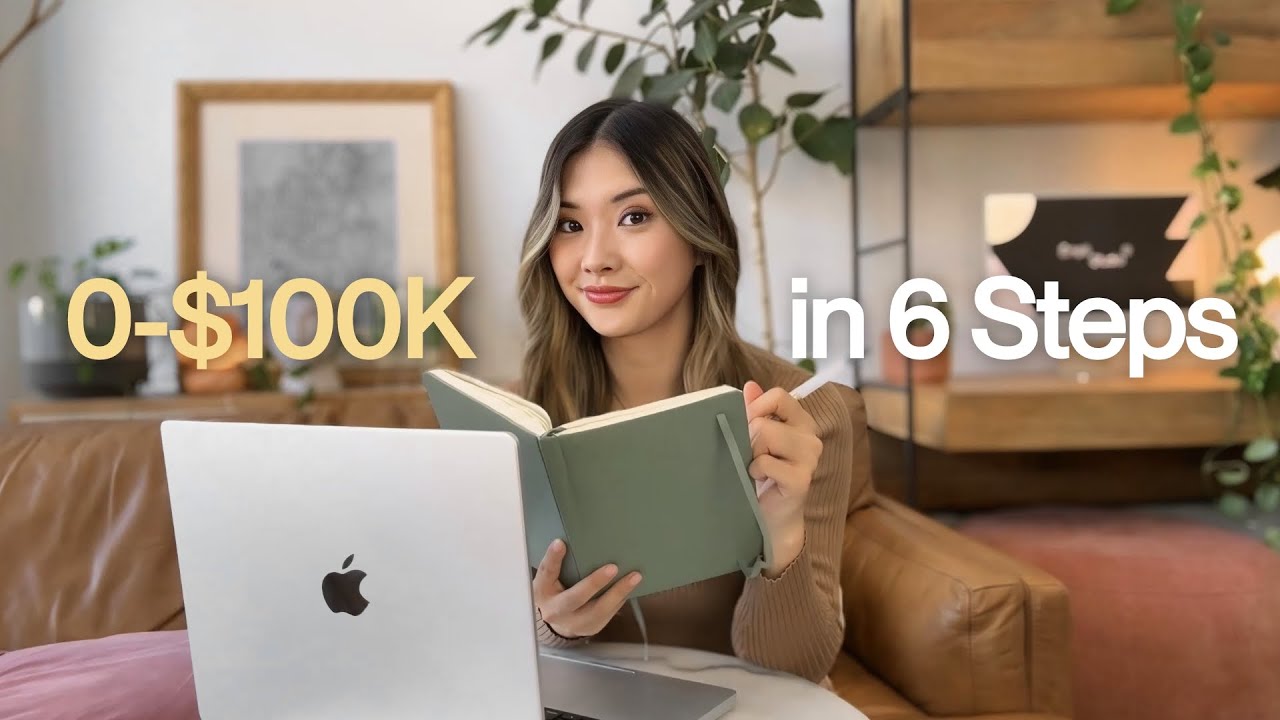
Step-by-Step: How to Earn Your First $100 as a Freelancer
Here is a simple, practical plan to go from zero to your first $100.
Step 1 — Choose One Skill
Do not try to offer everything. Pick one skill and focus on it completely. Being specific makes you more attractive to the right clients.
Step 2 — Create a Strong Profile
Your profile is your first impression. Add a clear photo, write a short professional bio, and explain what problem you solve. Be honest and confident.
Step 3 — Build a Small Portfolio
Even if you have no paid clients yet, create 2–3 sample projects to show your skill. Write a sample blog post. Design a sample logo. Edit a short video clip. Free work builds proof.
Step 4 — Set a Beginner-Friendly Price
Do not try to charge top-dollar rates right away. Starting at $5–$20 per project helps you win your first clients and collect your first reviews. Reviews are more valuable than money at the start.
Step 5 — Send Personalized Proposals
If you are using Upwork or Freelancer.com, write short and personal proposals. Tell the client exactly how you will help them. Avoid copy-paste templates — clients can always tell.
Step 6 — Deliver Great Work
Over-deliver on your first few projects. Reply quickly. Be polite. Finish on time or early. A 5-star review from your first client is worth more than $100 — it builds trust for every future client.
Step 7 — Ask for a Review
After completing a project, politely ask your client to leave a review. Good reviews bring more clients automatically.
Follow these steps consistently and your first $100 will arrive sooner than you think.
Pros and Cons of Freelancing
Pros
- Complete freedom over your time and workload
- Low barrier to entry — start with skills you already have
- Income potential grows as your reputation builds
- Work with clients from around the world
- Build real-world experience and a professional portfolio
Cons
- Income can be inconsistent at the start
- Finding the first client takes patience
- No benefits like health insurance or paid leave
- Platform fees can take 10–20% of your earnings
- Requires self-discipline and time management
Understanding both sides helps you prepare better and avoid common beginner mistakes.
Practical Tips to Land Clients Faster
These small actions can make a big difference when you are just starting out.
- Niche down early — Instead of “I do graphic design,” say “I create Instagram posts for food businesses.” Specific beats general every time.
- Be responsive — Reply to messages within a few hours. Clients love fast communicators.
- Use keywords in your profile — Think about what your ideal client would type to search for your service, and use those words naturally.
- Stay active daily — Log in, update your gigs, and send proposals every day in the beginning.
- Learn from feedback — If a client gives you criticism, use it to improve, not as a reason to quit.
- Reinvest early earnings — Use your first payments to buy a better tool, take a short course, or improve your profile photo.
Consistency is the secret ingredient that most beginners underestimate.
FAQs About Starting Freelancing
Q1. Can I start freelancing with no experience? Yes, absolutely. Many successful freelancers started with no professional experience. Build sample projects, start at lower rates, and let your work speak for itself. Experience comes quickly once you begin.
Q2. How long does it take to earn the first $100? It depends on your skill, platform, and effort. Some people earn their first $100 within a week. For others, it takes a month. The key is consistency — keep improving your profile and sending proposals every day.
Q3. Do I need to pay to join freelancing platforms? Most platforms like Fiverr, Upwork, and Freelancer.com are free to join. They earn money by taking a small commission from your completed projects. You only pay when you earn.
Q4. What is the easiest freelancing skill for a complete beginner? Data entry, copy-paste tasks, basic writing, and social media scheduling are great starting points. They require minimal technical knowledge and have steady demand from small businesses.
Q5. How do I get paid as a freelancer? Most platforms support payments through PayPal, bank transfer, Payoneer, or direct deposit. Set up your preferred payment method in your account settings before you start applying for work.
Conclusion
Starting your freelancing journey might feel overwhelming at first — but the path to your first $100 is simpler than you think. Choose one skill, build a clean profile, offer competitive rates, and focus on delivering real value to your first few clients.
Every successful freelancer once had zero reviews and zero earnings. The only difference between them and someone still waiting is taking that first step.
Your first $100 is not just money — it is proof that your skills have value in the real world.
Get started today, explore the platforms mentioned above, and take the first step toward your freelancing career.